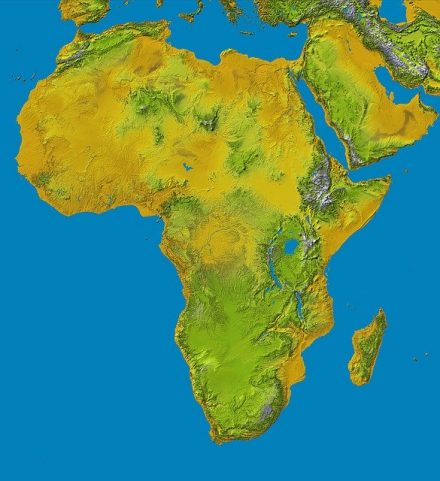
african history

Unit 10.1: Global Conflict – History and Geography

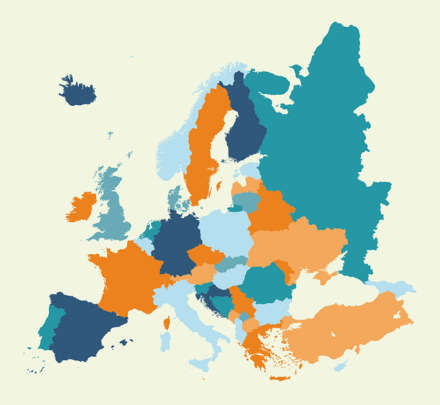
The era from c. 1900 to the present stands as one of the most transformative and turbulent in human history. At the dawn of the 20th century, Europe (along with powers like the United States, Russia, and Japan) dominated the global political order through vast land-based and maritime empires. Yet this dominance was fragile and challenged by rising nationalism, revolutionary ideologies, economic rivalries, and technological advances that made warfare more destructive than ever before.
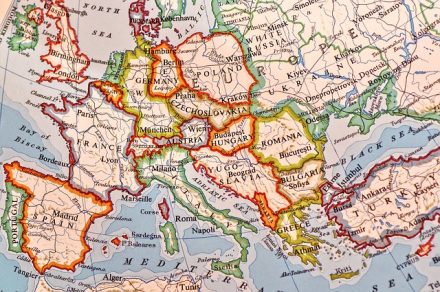
Countries

Hemisphere Day

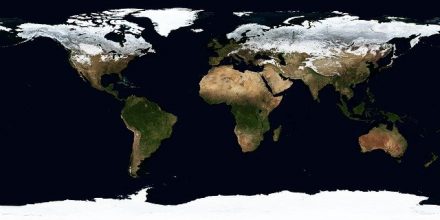
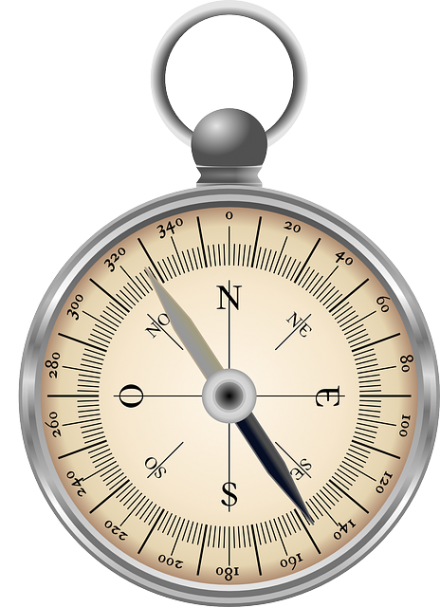
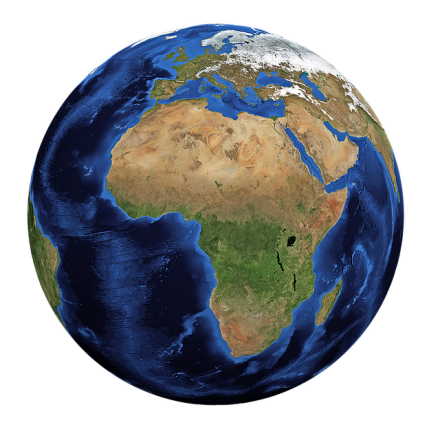
Today you will identify the position and significance of latitude, longitude, Equator, Northern Hemisphere, Southern Hemisphere, the Tropics of Cancer and Capricorn, Arctic and Antarctic Circle, the Prime/Greenwich Meridian and time zones (including day and night).

Theme Days

British Isles Day

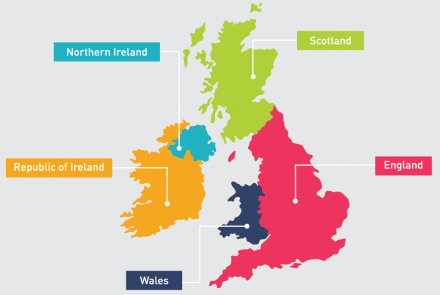
To be able to name and locate counties and cities of the United Kingdom, geographical regions and their identifying human and physical characteristics, key topographical features (including hills, mountains, coasts and rivers), and land-use patterns; and understand how some of these aspects have changed over time.

Geography

Cherokee

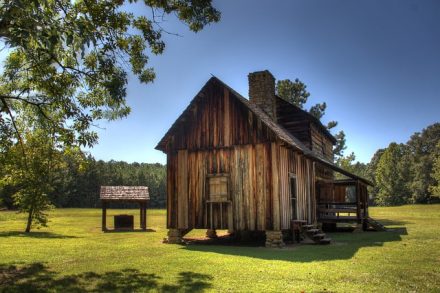
The Cherokee are an indigenous people of the Southeastern Woodlands. Prior to the 18th century, they were concentrated in southwestern North Carolina, southeastern Tennessee, and the tips of western South Carolina and northeastern Georgia. The Cherokee language is a Southern […]

Geography

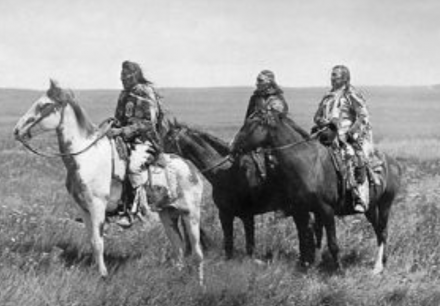
Sioux

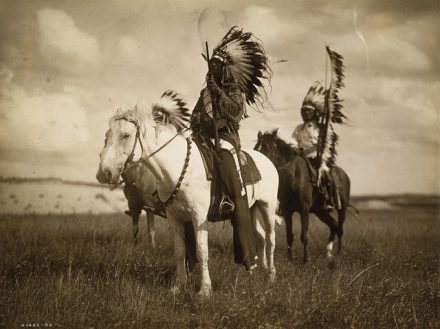
The Sioux also known as Dakota, are groups of Native American tribes and First Nations peoples in North America. The term can refer to any ethnic group within the Great Sioux Nation or to any of the nation’s many […]